
Fire Queen on the Move: Bringing Gourmet Dining Anywhere You Are2025
October 26, 2025
Turning Simple Meals into Celebrations with Fire Queen’s Expertise
November 11, 2025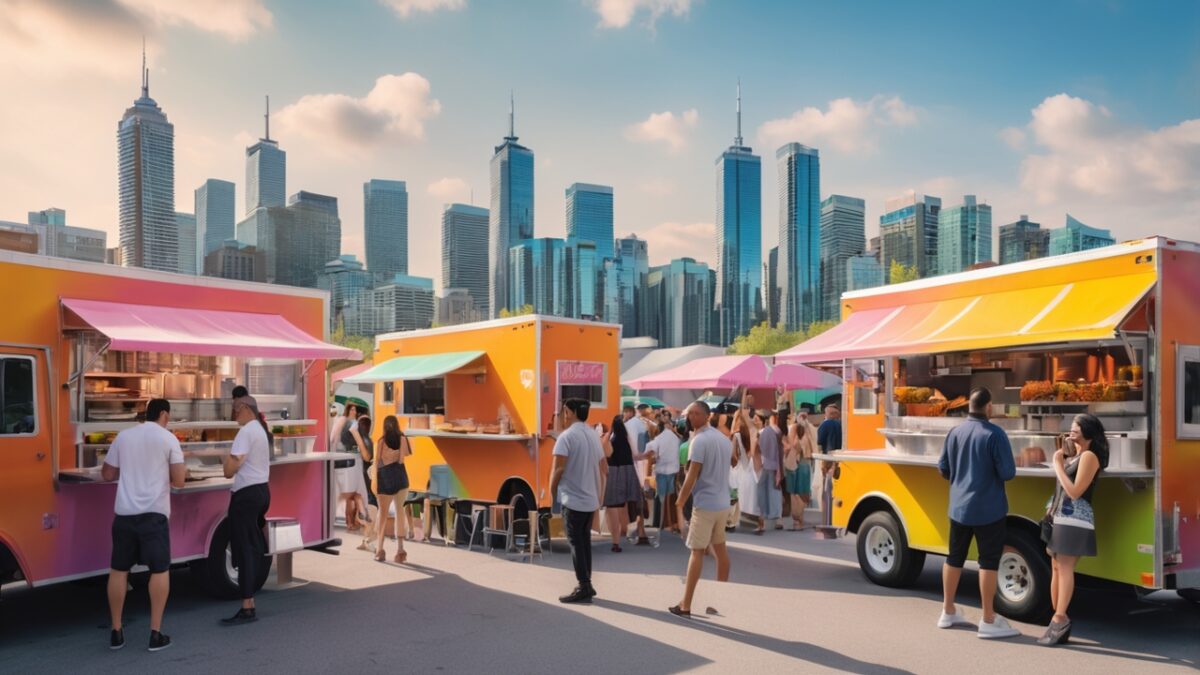
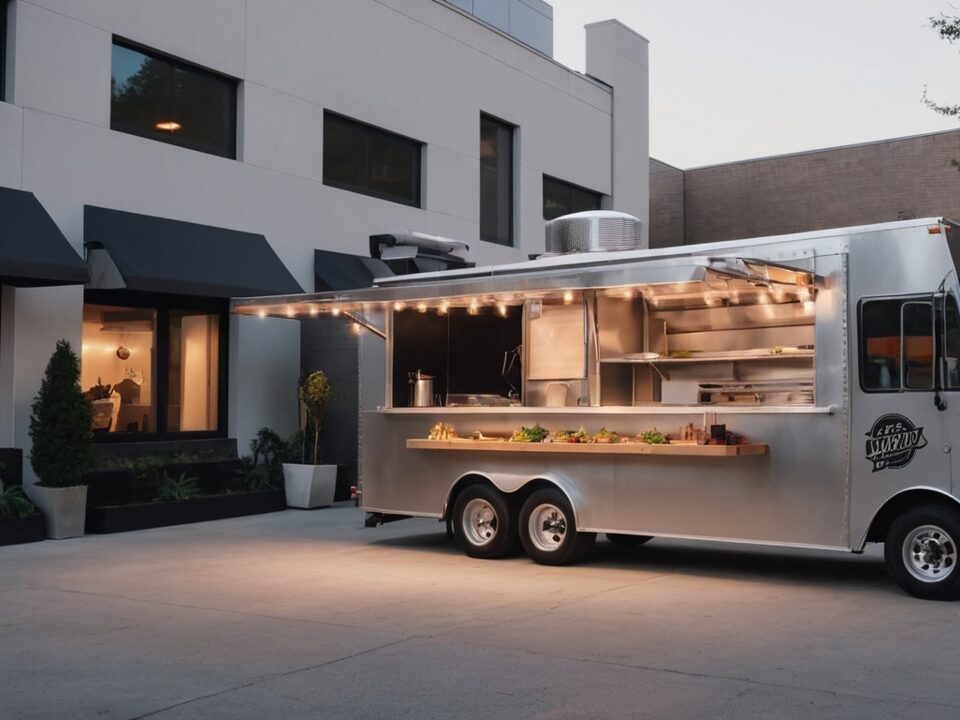
Imagine your guests standing under string lights, the air warmed by laughter and the scent of something grilled. A food truck eases in, windows open, music low, and in a few moments everyone has a plate that feels like a discovery — not just a meal. If you want your next event to hum with energy and genuine culinary personality, food truck catering in Toronto may be exactly the tool you need.
Introduction
What makes food truck catering so compelling? For many hosts, it’s the combination of theatre and taste — the sensory pull of open cooking, the social magnet of a line at the window, and the delight of menu variety that often outperforms a traditional buffet. This article unpacks the practicalities, cost considerations, vendor selection strategies, and real-life examples to help you decide whether a food truck is right for your Toronto event. Read on and you’ll leave with a concrete plan and a confidence to book wisely.
Why Food Truck Catering Is More Than a Trend
Mobile Kitchens Elevated
Food trucks have moved from niche street stalls into the mainstream of event dining. What used to be late-night street food now appears at weddings, corporate appreciation days, rooftop parties, and neighbourhood festivals. The modern food truck is a compact restaurant on wheels: chef-driven menus, thoughtful sourcing, and service models that scale. In Toronto’s diverse culinary scene, that flexibility is vital — it means you can serve authentic regional food, contemporary fusion, or refined comfort dishes without forcing a single standardized menu on all your guests.
City-Friendly Appeal
Toronto’s urban fabric — with its parks, patios, warehouses, and rooftops — naturally benefits mobile catering. Food trucks suit outdoor venues particularly well and can convert tight or unusual spaces into lively dining zones. Because many trucks already have the required kitchen equipment, they can often serve high-quality food with fewer on-site logistics than a full-scale caterer might require. That said, the city’s regulations and permitting requirements mean you’ll want a vendor who knows local rules.
How Food Truck Catering Works in Practice
Assessment & Menu Planning
Every successful booking starts with an honest, thorough conversation. A seasoned food truck caterer will ask about guest count, event duration, desired service style, dietary restrictions, and your site’s access points. They should also ask for floor plans or photos, because truck size, truck orientation, and guest flow are all essential. During menu planning you’ll discuss portion sizes, how long lines should be allowed to form, and whether you want a single cuisine focus or a multi-truck arrangement that gives everyone choice.
Service Models — Pick the One That Fits
Service options matter because they shape guest experience and throughput. An “order-at-the-window” setup emphasizes the authentic truck experience but can create lines. Buffet or plated service streamlines movement but reduces theatricality. Staff-served stations allow for more controlled portions and elevated presentation. Choose a model aligned with your event’s mood: casual and social? Go for the window. Formal and timed? Consider plated or buffet service with servers managing distribution.
What to Look for When Choosing a Food Truck Caterer
1. Reputation & Verification
Always check references and recent event photos. Ask vendors for contacts from past clients and for evidence of Toronto Public Health compliance. Modern food trucks should be able to provide recent inspection information and proof of food-handling certifications. Past clients will be frank about reliability and taste — and their feedback is often the best predictor of your event’s success.
2. Menu Versatility
Good caterers offer flexibility without compromising quality. Can they swap proteins, add a vegan option that’s more than an afterthought, or modify spiciness levels for family events? Food truck catering shines when it balances creativity with inclusivity; look for vendors who can deliver exciting food that also respects guests’ dietary boundaries.
3. Logistics & Operational Confidence
Logistics are the unsung hero of mobile catering. A strong vendor will ask about power sources, drainage, parking dimensions, and whether the venue is at-grade or requires special loading. They’ll anticipate needs — such as a small staging area for conduction of service or extra time for prep if parking restrictions are strict. If a caterer glosses over logistics, you should be cautious.
4. Transparent Pricing
Line-item quotes save headaches. Insist on a breakdown that shows base food costs, staff labor, travel, equipment rental, permit assistance, and cleanup charges. Be wary of quotes that look unusually low — something’s usually missing. The vendor should also explain minimums, overtime rates, and how they handle extra guests who arrive unexpectedly.
5. Insurance & Safety
Safety is non-negotiable. Require proof of commercial general liability insurance and vehicle insurance, and confirm the vendor follows fire safety protocols. Ask whether their equipment has been inspected and whether staff carry valid food handler certificates. A reputable caterer will happily share certificates and insurance documentation in advance of the event.
6. Contingency Planning
Weather, traffic, and mechanical issues can derail plans. A professional food truck operator plans for these possibilities: they’ll have backup staff, a secondary truck or vendor contact, and a clear fallback plan if a generator fails. Ask for their contingency procedures, because the right answers here often separate great vendors from mediocre ones.
Cost Breakdown & What to Budget
When budgeting, remember that several levers change the headline price. Cuisine type, guest count, travel distance, and equipment needs all play a part. A meat-heavy BBQ will generally cost more than vegetarian tacos because proteins drive food costs. Similarly, adding a dessert truck or a dedicated beverage cart will increase overall spend but often improves guest satisfaction and perceived value.
| Cost Component | How It Influences Price |
|---|---|
| Cuisine Type | Proteins and specialty items raise costs; seasonal produce may lower them. |
| Guest Count & Duration | More guests and longer service translate to higher food and labor charges. |
| Travel & Distance | Long travel or complicated access can add mileage and time fees. |
| Equipment Rental | Generators, tents, extra tables, or staging increase the invoice. |
| Staffing & Cleanup | More servers and a formal cleanup crew add labor costs. |
As a practical guideline, many Toronto food trucks price their menus between roughly CAD 10–25 per person depending on format. Taco-style or simple street food often sits at the lower end, while barbecue, gourmet burgers, and plated options sit at the higher end. Always compare apples to apples — a CAD 12 taco setup that requires a second truck at peak may cost more overall than a CAD 18 plated option that scales efficiently.
Pros and Cons: When Food Truck Catering Makes Sense
Pros
Food truck catering creates vivid, social moments. The theatrical, open-kitchen dynamic encourages mingling and becomes a talking point. Logistics can be leaner because trucks bring their own prep and cooking appliances. And the variety available across Toronto’s scene means you can curate an event that feels original and tailored rather than templated.
Cons & Challenges
Not every venue can host a truck. Rooftops, historic courtyards, or properties with restrictive access may require special handling. Weather matters: while trucks can operate in light rain, heavy storms disrupt outdoor service. Large, formal events may also need supplemental staff to provide plated service or to maintain timelines. Finally, hidden fees — generator rental, overtime, or parking permits — can surprise an unprepared host.
Real-World Example #1 — Urban BBQ Under the Sky
Scenario: A Toronto tech company hosted a rooftop appreciation day for 150 employees. The goal was relaxed but impressive — a midday event where colleagues could mingle and linger.
Execution: The organizers booked a BBQ-focused food truck that offered pulled pork sliders, grilled vegetable skewers, mac & cheese, and seasonal slaw. The truck arrived early; generators were arranged; a narrow service line was managed by two roving servers. Portions were plated buffet-style to keep lines moving, and dessert was provided by a separate truck offering mini tarts and ice cream cups.
Result: Attendee feedback emphasized atmosphere and taste. The truck’s smell and open cooking presence became a social hub. Logistics were smooth because the vendor had experience with rooftop setups and had coordinated elevator access in advance. The client said the experience was “far more fun than a boxed lunch” and requested the same vendor for their next event.
Real-World Example #2 — Intimate Backyard Wedding with a Twist
Scenario: A couple wanted an intimate wedding for 80 guests that felt modern and informal but still cohesive. They prioritized locally sourced ingredients and wanted a menu that reflected the couple’s mixed culinary backgrounds.
Execution: Two food trucks were contracted — one focusing on Mediterranean-influenced small plates, the other on a contemporary Canadian grill. Instead of ordering from a window, both trucks served plated courses in a staggered schedule: appetizers during cocktail hour, mains after the ceremony, and late-night sliders as a send-off. Servers coordinated portioning to match the plated timeline.
Result: Guests praised the seamless flow; the staggered service kept lines short and preserved the wedding’s intimate feel. Using two trucks delivered variety without forcing guests to wander. The vendors worked with the couple’s florist and DJ to ensure that service times didn’t conflict with speeches and dances — proving the importance of coordination when multiple vendors are involved.
Pro Tips to Get the Most Out of Food Truck Catering
Book early. Top trucks fill months — sometimes a year — in advance. Schedule a site walk-through with your provider to confirm power, drainage, and access. Negotiate any spending minimums and clarify what happens if attendance is lower than expected. Consider combo options (truck + dessert cart or beverage station) to extend the experience. If you have zero‑waste goals, request compostable serviceware and coordinate waste handling with your venue or the vendor.
Staggered service can be a game-changer for larger groups: serving in waves or offering pre-selected combos reduces wait times. Lastly, insist on a written contingency plan: what happens if the truck breaks down, or if extreme weather cancels outdoor service?
Vendor Shortlist — Where to Start Your Search
When you begin sourcing, look for vendors who provide detailed proposals, have recent references, and come prepared with a checklist. Ask for sample timelines and confirm whether they handle permits or if they’ll ask you to coordinate with your venue. It’s also worth asking for photos from similar events; visuals often reveal staging quality, plating standards, and how the truck integrates into different spaces.
Is Food Truck Catering Right for Your Event?
Food truck catering is ideal when you want an event to feel interactive and memorable without the formality of plated service. It works particularly well for outdoor events, casual weddings, company socials, block parties, and festival-style gatherings. If your priority is a quiet seated dinner with strict timing and multiple formal courses, a hybrid approach — combining trucks with supplemental servers or a seated catering partner — can bridge the gap.
Conclusion & Next Steps
Food truck catering in Toronto brings personality and practicality to events in a way few options can. With the right vendor and clear planning, you can deliver flavorful, efficient service that guests talk about long after the plates are cleared. Vet vendors carefully, confirm logistics in writing, and be explicit about budget and contingency expectations. Start by compiling a short list of two to four vetted trucks, schedule site walks, and get line-item quotes — that process will quickly reveal which providers take the details seriously and which do not.
If you’d like, I can create a printable vendor questionnaire and a site-walk checklist tailored to your venue type. Click the link below to download a template and start the conversation with providers today.
FAQ
- How much does food truck catering cost in Toronto per person?
- Expect roughly CAD 10–25 per person depending on the cuisine and service style. Simpler taco or dessert trucks sit at the low end; BBQ, plated, or protein-heavy menus trend higher. Always confirm what the per-person rate includes.
- What permits are needed for a food truck at a Toronto event?
- Vendors must comply with Toronto Public Health rules, hold valid food handler certificates, and typically maintain commercial liability insurance. Some venues or neighbourhoods require additional temporary permissions. A reliable vendor should advise or handle permits for you.
- Can food trucks service large events (200+ guests)?
- Yes — by using multiple trucks, staggered service windows, or buffet setups. A single truck will struggle with very large crowds, so scale your fleet and staffing accordingly for large events.